Meet the Members: The Rural Youth and Adult Literacy Trust
Ciara OCallaghan • April 12, 2022
CNA is proud to spotlight our incredible member organisation The Rural Youth and Adult Literacy Trust (RYALT). RYALT provides training in literacy for isolated rural adults and teenagers. The Trust has operated from premises in Port Waikato since August 2011.
We asked Bruce Fincham, RYALT's Community Coordinator, a few questions about what RYALT are about and the mahi they do!
Who are you, and what do you do?
The Rural Youth and Adult Literacy Trust is a non-profit charity that assists adults and teenagers living in rural or otherwise isolated areas by improving their literacy - reading, writing, and numeracy via volunteer coaches trained by the trust. Tuition is free, and our tutors coach by phone, video conferencing like Zoom or Google Meet and face-to-face to meet the student’s needs.
What areas do you cover, and who are your communities?
There is nowhere in New Zealand that is too far away for us to help a student. We work with students in rural communities who may live in isolated areas and would struggle to get to literacy centers in metropolitan areas.
Our students are adults and teenagers who have had struggles in life and the education process and have not had a successful outcome and left school for many varied reasons. Some of these students have lost faith in the education system and need to have that faith rebuilt. They do not want people to know about their struggles and are often embarrassed.
The Trust is fully aware of the faith and trust issues and works to rebuild confidence in education. We encourage learning at the student's pace, with compassionate coaches in a one-on-one student-coach environment, which goes a long way to rebuilding confidence, trust, and the desire to improve literacy and become worthwhile members of the community who can fully participate.
Regarding the pandemic, what response are you most proud of?
The proudest moment of the pandemic was the pulling together of the students and coaches to continue with literacy learning—seamless teamwork.
What innovations do you use (either something you have created, had to create, or found out about that really helps you deliver)?
We are primarily a cloud-based organisation. We have a wiki of resources for our volunteers to access, our volunteer training is online, and several staff were working remotely from home long before lockdowns forced that on people.
We find working with remote students exciting these days. Most of our students live a long way from their volunteer coaches. Once, we used to have to post envelopes to students so they could send their writing to their coach by mail. Now, most students have smartphones and can take photos of their writing to send to their coach. The coach and student can share readings during a Zoom call.
We also help our students get onto Skinny JUMP to get cheap internet. That way, they can talk to their coach on Zoom instead of by phone.
What most excites you about your organisation’s future?
Before becoming involved in literacy education through the trust about two years ago, I was not aware of the literacy issues that faced our communities in New Zealand. UNICEF New Zealand's New Report Card dated 3 September 2020 shows that New Zealand is failing its children. New Zealand ranks 35th out of 41 countries for child wellbeing, with 64.6% of 15-year-olds in New Zealand having basic proficiency in reading and maths. Landing New Zealand with an ‘F’ report card.
I coach three students voluntarily, a man in his 30s and two teenage boys who have dropped out of the education system and were very anti schooling and education. However, after two years, all three are making excellent progress in improving their reading and writing. They are so involved in our literacy sessions that they are now very reluctant to have time out and miss any weekly sessions.
With the Rural Youth and Adult Literacy Trust getting engagement from students like the examples above, we have an exciting future adding value to the individual student and our communities throughout Aotearoa New Zealand.
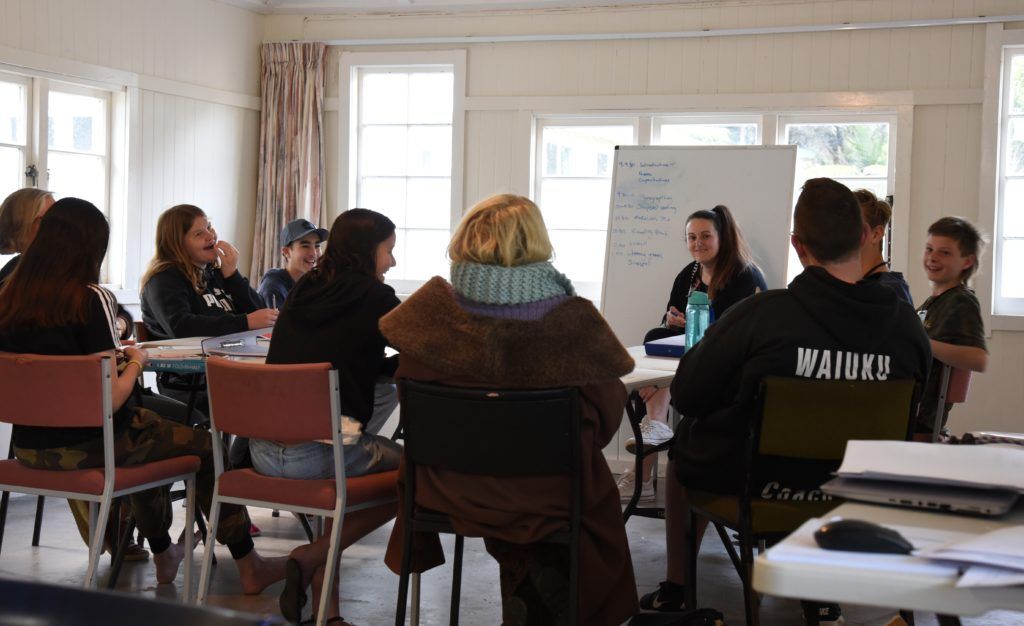
A snapshot of what RYALT is all about - some of our students enjoying themselves.
Share
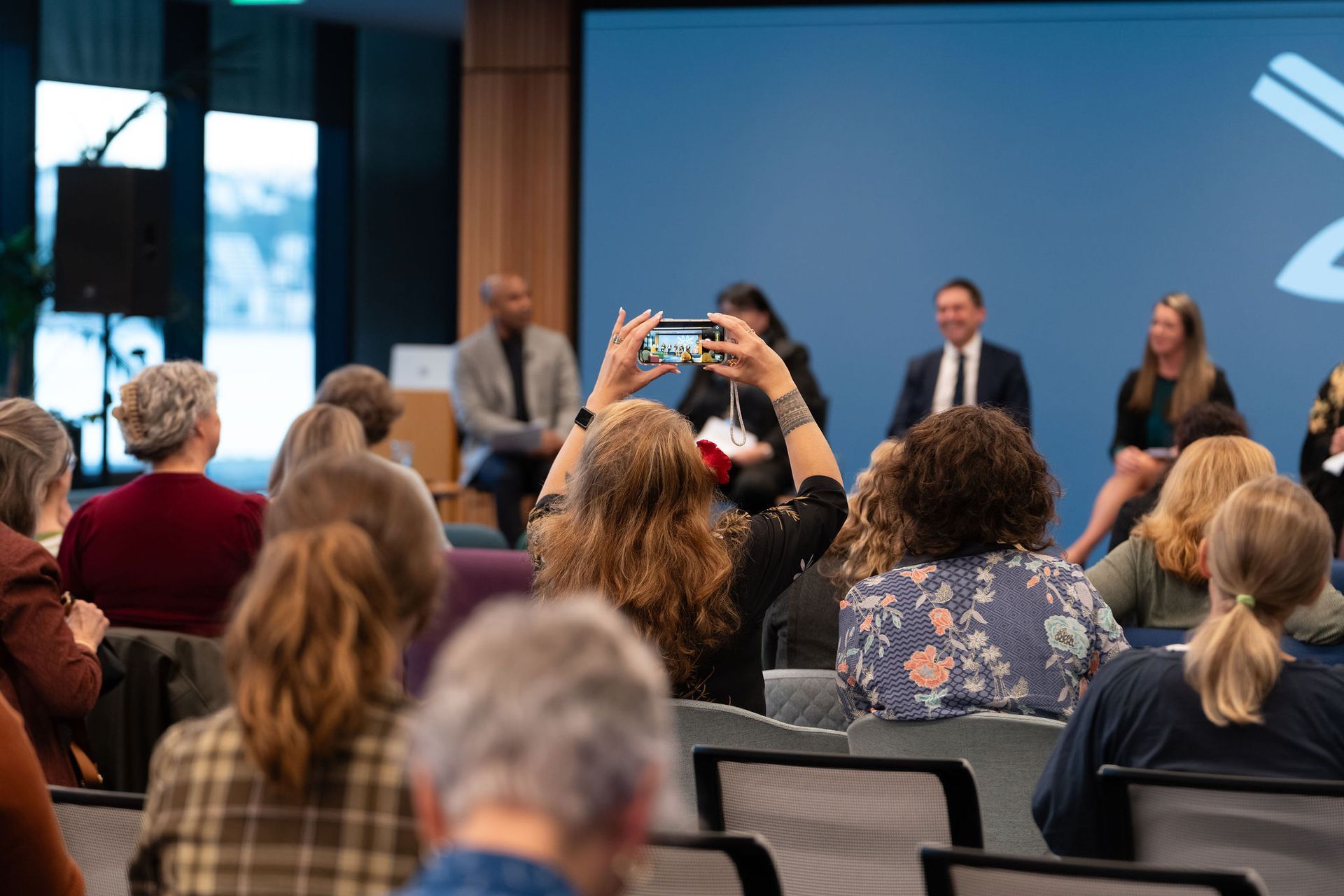
What did New Zealand's political parties have to say about the community sector? Executive Officer Ros Rice reflects on Community Networks Aotearoa's Election Panel and its key takeaways.
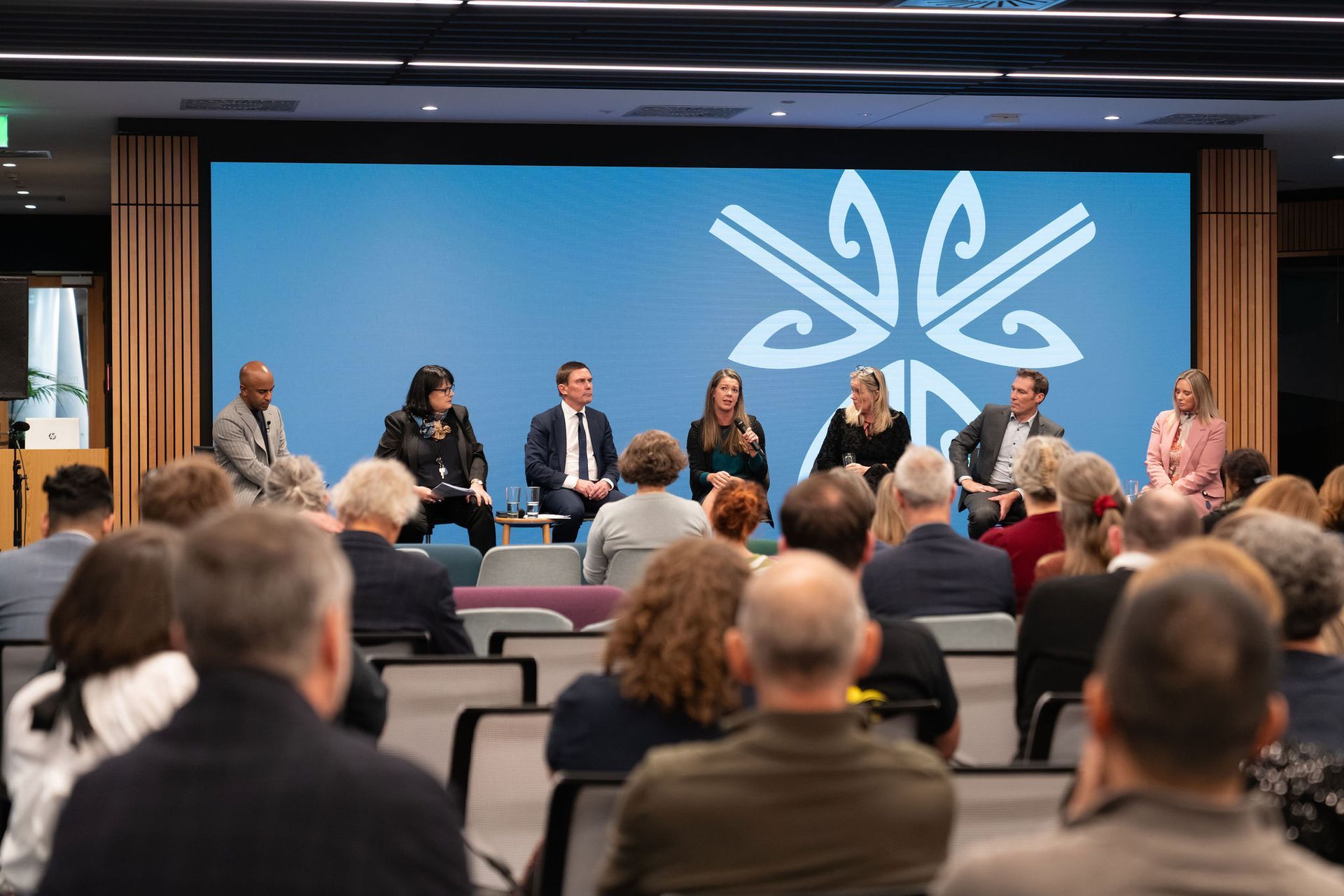
CNA Chair Holly Snape reflects on 1 Sector, 6 Parties, the first 2026 election-focused political panel created specifically for Aotearoa’s community and voluntary sector, highlighting key discussions, sector representation, and why community voices must be part of the election conversation.
Kia ora koutou, Gather your team, pour a drink, and get ready for something a little different. This isn’t your average political panel. It’s a chance for Aotearoa’s community sector to tune in together, listen to the proposed direction, share ideas, and maybe even get a bit fired up about the future. Hosted by Community Networks Aotearoa, ‘1 Sector, 6 Parties Respond’ this live-streamed event brings politicians from across the spectrum into one (virtual) room to talk candidly about the realities facing charities, iwi organisations, and Not-for-Profits. With the next election on the horizon, what they say, and how they say it, matters. And the best part? You don’t have to watch it alone. Turn it into a mini event of your own. Set up a screen in the office, book out the community hall, or invite a few colleagues over. With drinks, nibbles, and ‘hellos’ kicking off from 4:30pm and the panel starting at 5:00pm, it’s perfectly timed to roll straight from work into something social and energising. Guided by political reporter Jehan Casinader, expect a lively, honest kōrero that goes beyond the usual talking points. He’s got the gumption, you bring the cynicism. As a CNA member it’s a great way to bring your organisation together to reconnect, network, and kōhumuhumu. It’s also a great way to remind your people why you’re our member and what they get from your membership with us. We’re always looking for great ways to help you provide excellent and meaningful support. Watching together adds a whole new layer. You’ll catch things you might miss on your own, spark conversations in the moment, and build a shared understanding of what’s ahead. It’s part watch party, part strategy session, with a side of healthy debate. Want to make it count? Try this: Make it a watch party: Bring shared kai (remember those dietary peeps too!), and a relaxed but curious vibe—think less lecture, more shared experience. Get ready to kōrero: Bring a pen and paper and make moments to react, question, or celebrate what you’re hearing. Capture the “aha” moments: Jot down ideas or quotes that hit home for your team; and what you might be able to put in your newsletter. Turn talk into action: After the stream, ask “So what do we do with this?” and pick one or two next steps. This is your chance to connect, reflect, and maybe even challenge what you think you know. So don’t just tune in, show up, together, and be part of the conversation shaping the road ahead. The election is closer than you think! Ngā mihi, Patrick Davies, Engagement Officer