State of the Nation 2026 Report Launch
Community Networks • February 18, 2026
"I believe we are known by how we treat those most in need. "
Author: Ros Rice, Executive Officer.
We have always tried to attend the release of these reports which annually come forth from their Social Policy and Parliamentary Unit. To hold them in the venue named Loaves and Fishes, was this year particularly apt. This year sadly things are particularly gloomy for people living in poverty.
The report is broken into statistics on six areas of Kiwi life.
Children and Youth; Work and Incomes; Housing; Crime and Punishment; Social Hazards and Màori Wellbeing.
Breaking it down, child poverty; children at risk; teenage pregnancy and children and violence all had gotten worse since 2025, while only youth offending had improved statistics.
Unemployment, income support and welfare and hardship and food security had all got worse, but the unequal burden of rising unemployment continued to be carried by Pacific and Màori workers. Also notable was that disabled workers were facing rates of unemployment more than twice of non-disabled.
Homelessness has increased and housing affordability showed little or no improvement. For those on lower incomes the housing crisis continues.
At least overall crime including violent crime has decreased, but on the negative side family violence; and recidivism has increased. More people have been sentenced and imprisoned which brings up the concern of how many people are imprisoned on remand before even being judged guilty. In 2025 over ¼ of the prison population were remand accused and awaiting trial.
Alcohol and illicit drug use consumption has increased and results for the quarter ending June 2025 indicated high consumption of methamphetamine, MDMA and cocaine. Gambling thankfully showed no change, but we all need to be aware what a major problem gambling is in our Society. The number of pokie machines are decreasing, but the remaining machines continue to generate substantial gambling losses. New Zealanders lost $2.79 Billion in the year to June 2024, so although there is no change, the amount being spent is incredibly high.
Hauora is essential to wellbeing for tangata whenua. This report shows clearly how much Màori are affected when identity, belonging and dignity are disrupted. Disconnection from whānau, culture and te reo compounds these pressures. Persistent pressures include on-going poverty, material hardship, economic strain and housing instability. Over-representation in the criminal justice system and concentrated social hazard harm reflect the cumulative impacts of systems that have not consistently upheld hauora and wellbeing.
The report ends by saying that these insights remind us that whānau and vulnerable communities already carry strength, capability and hope; the challenge is to re-shape systems so that they create better conditions for vulnerable communities to thrive and flourish.
Thanks to the Salvation Army and the authors of this report, for a vital and on-going measure of what is happening in our Nation. I believe for a country of 5 ½ million people there is no excuse for such levels of deprivation and harm. We can and should as a country care for our most vulnerable. I believe we are known by how we treat those most in need.
References:
State of the Nation 2026: Foundations of Wellbeing; Poipoia te Kàkano; Summary Version
Paul Barber, Ana Ika and Charm Skinner; Social Policy Analysts February 2026
Social Policy & Parliamentary Unit : The Salvation Army
Share
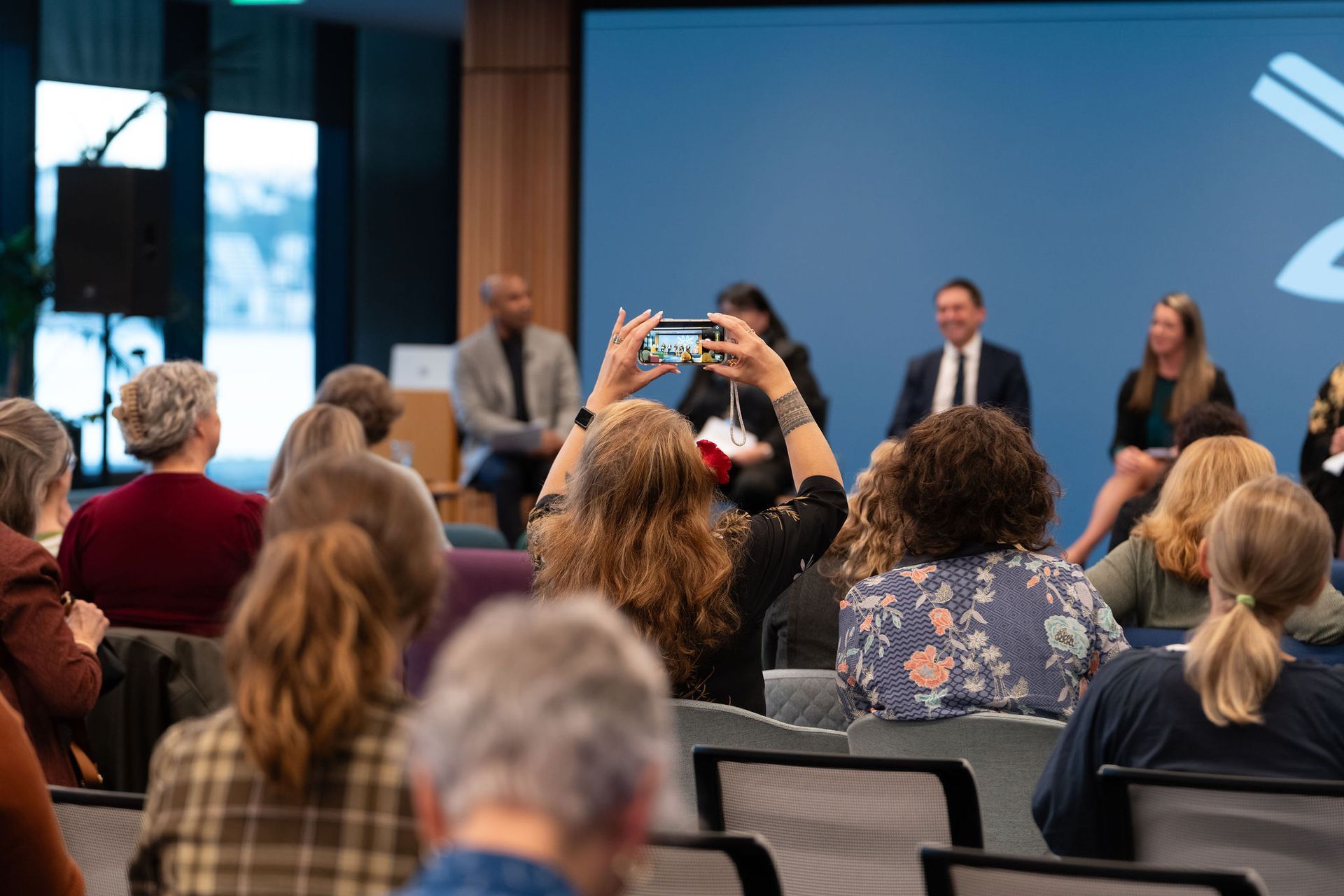
What did New Zealand's political parties have to say about the community sector? Executive Officer Ros Rice reflects on Community Networks Aotearoa's Election Panel and its key takeaways.
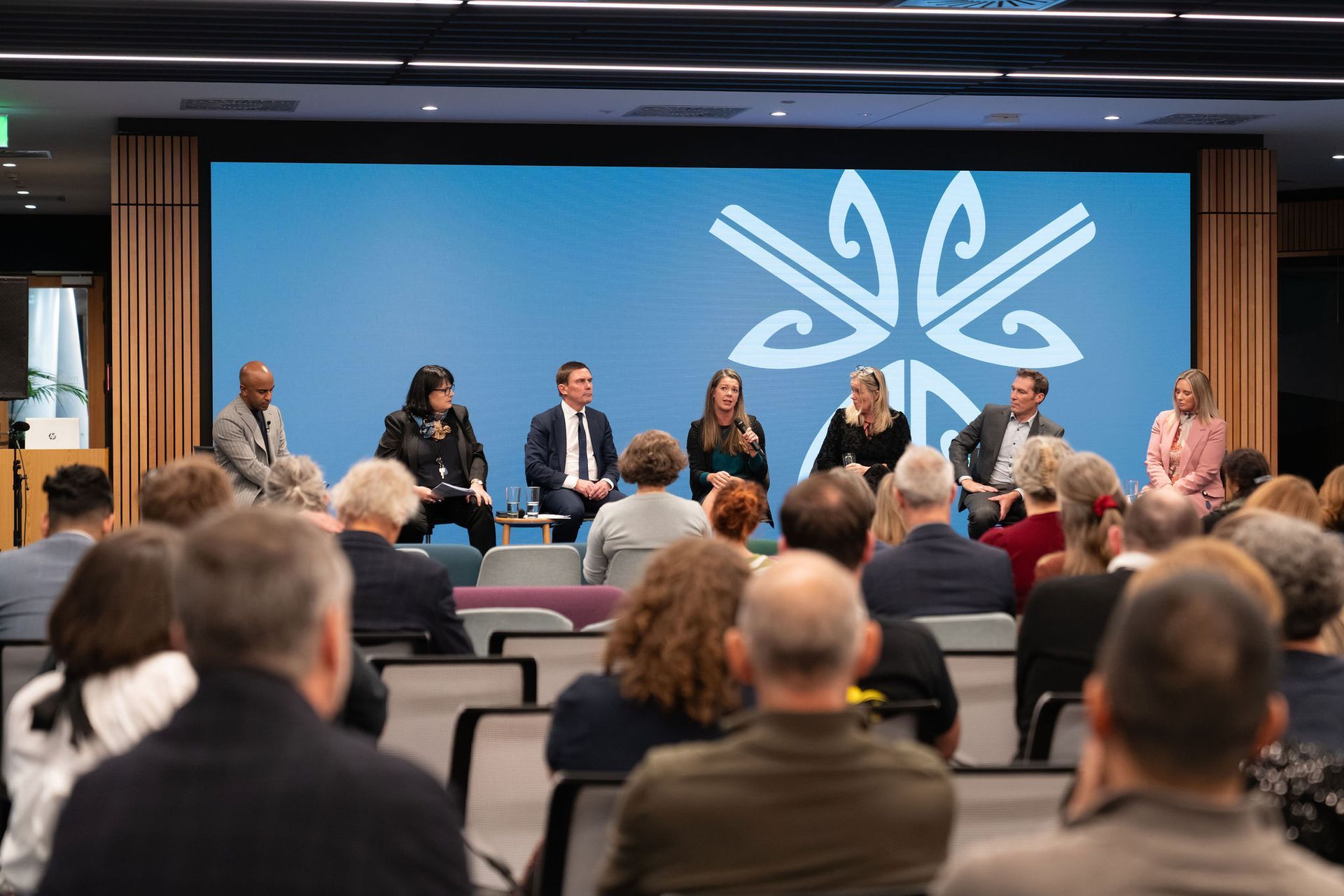
CNA Chair Holly Snape reflects on 1 Sector, 6 Parties, the first 2026 election-focused political panel created specifically for Aotearoa’s community and voluntary sector, highlighting key discussions, sector representation, and why community voices must be part of the election conversation.
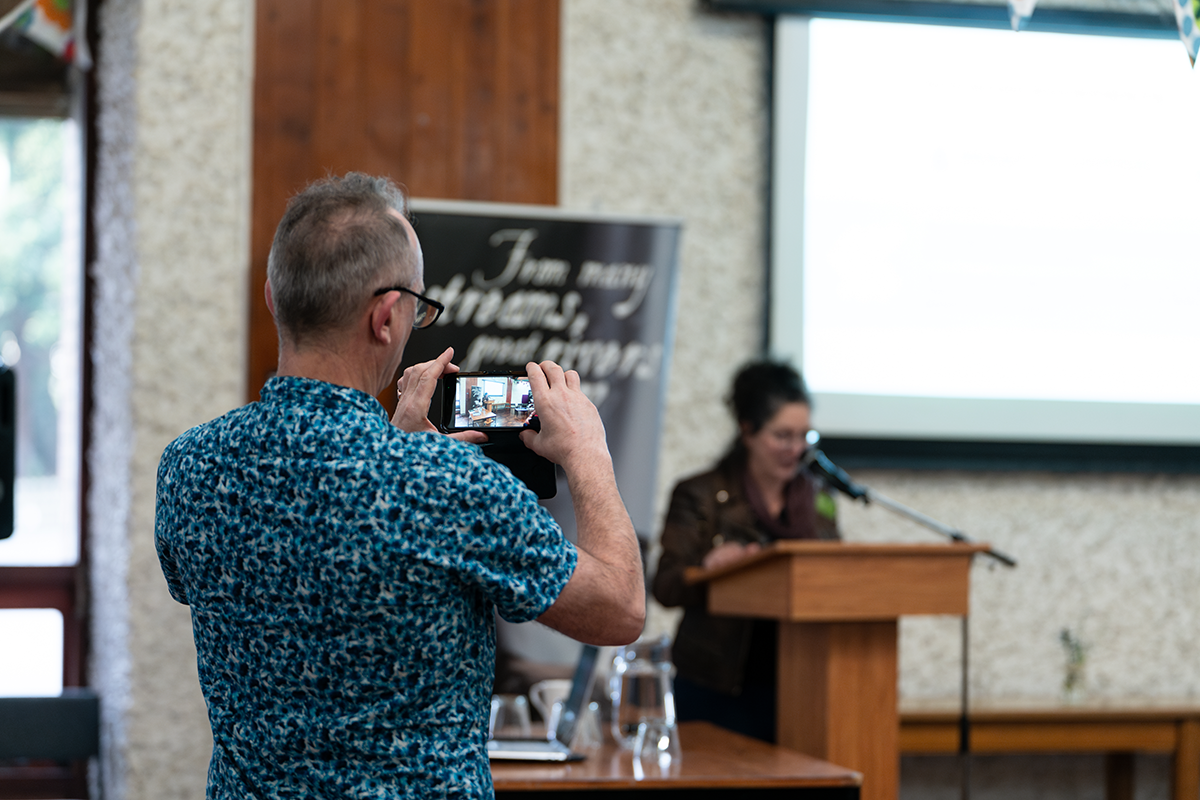
Kia ora koutou, Gather your team, pour a drink, and get ready for something a little different. This isn’t your average political panel. It’s a chance for Aotearoa’s community sector to tune in together, listen to the proposed direction, share ideas, and maybe even get a bit fired up about the future. Hosted by Community Networks Aotearoa, ‘1 Sector, 6 Parties Respond’ this live-streamed event brings politicians from across the spectrum into one (virtual) room to talk candidly about the realities facing charities, iwi organisations, and Not-for-Profits. With the next election on the horizon, what they say, and how they say it, matters. And the best part? You don’t have to watch it alone. Turn it into a mini event of your own. Set up a screen in the office, book out the community hall, or invite a few colleagues over. With drinks, nibbles, and ‘hellos’ kicking off from 4:30pm and the panel starting at 5:00pm, it’s perfectly timed to roll straight from work into something social and energising. Guided by political reporter Jehan Casinader, expect a lively, honest kōrero that goes beyond the usual talking points. He’s got the gumption, you bring the cynicism. As a CNA member it’s a great way to bring your organisation together to reconnect, network, and kōhumuhumu. It’s also a great way to remind your people why you’re our member and what they get from your membership with us. We’re always looking for great ways to help you provide excellent and meaningful support. Watching together adds a whole new layer. You’ll catch things you might miss on your own, spark conversations in the moment, and build a shared understanding of what’s ahead. It’s part watch party, part strategy session, with a side of healthy debate. Want to make it count? Try this: Make it a watch party: Bring shared kai (remember those dietary peeps too!), and a relaxed but curious vibe—think less lecture, more shared experience. Get ready to kōrero: Bring a pen and paper and make moments to react, question, or celebrate what you’re hearing. Capture the “aha” moments: Jot down ideas or quotes that hit home for your team; and what you might be able to put in your newsletter. Turn talk into action: After the stream, ask “So what do we do with this?” and pick one or two next steps. This is your chance to connect, reflect, and maybe even challenge what you think you know. So don’t just tune in, show up, together, and be part of the conversation shaping the road ahead. The election is closer than you think! Ngā mihi, Patrick Davies, Engagement Officer