Burning for a Cause
Community Networks • March 31, 2026
Kia ora koutou,
Burning for a Cause: A Totally Scientific Analysis of the NZ Not-for-Profit Sector’s Relationship with Increasingly Stupid Levels of Spice
There are many ways to describe the current state of funding in New Zealand’s not-for-profit sector. “Challenging.” “Competitive.” “A bit tight at the moment.” These are the polite phrases used in grant applications, annual reports, and strained conversations over lukewarm instant coffee in community halls that smell faintly of damp carpet and sausage sizzles past.
But none of these descriptions truly capture the lived experience.
No, the most accurate comparison—the one backed by absolutely no data but a strong gut feeling and one bloke named Gary who once ate a chilli at a pub in Palmerston North—is this:
Trying to secure funding for a not-for-profit in New Zealand is exactly like eating progressively hotter chillies until you spiritually leave your body.
Let us explore this scientifically.
Stage 1: The Capsicum Phase (a.k.a. “We’ve Got This”)
At the beginning of any funding cycle, spirits are high. You’ve got your mission statement polished. Your strategic plan is looking suspiciously like it was copied from another organisation but with a few nouns swapped out. Your board is optimistic. Someone has brought baking.
This is the capsicum phase.
You take a bite. It’s crunchy. It’s fresh. It’s harmless. You think: Is this what everyone was worried about? Funding seems fine.
You apply for your first grant.
You even say things like:
- “We’re really aligned with their priorities.”
- “Our outcomes are measurable.”
- “We’ve got a strong narrative.”
You are, in chilli terms, an absolute muppet.
Stage 2: The Jalapeño Phase (a.k.a. “Mild Concern”)
A few weeks later, the emails start coming in.
“Thank you for your application. Unfortunately…”
Ah. A small kick. Not unbearable. Not devastating. Just enough to make you blink and say, “Oh. Right. Okay.” You apply for another fund. Then another.
You start tailoring applications. You insert phrases like “community-led outcomes” and “holistic impact framework” with increasing confidence, despite not being entirely sure what they mean anymore.
The heat builds slightly. You’re still smiling, but you’ve stopped making jokes. You are now aware that funding might not just… happen.
Stage 3: The Bird’s Eye Chilli Phase (a.k.a. “Things Are Getting Weird”)
At this point, something changes.
You’ve applied for six different grants. Two have said no. Three have not replied. One has asked for “further clarification,” which turns out to mean rewriting the entire application in a slightly different font.
You bite into the Bird’s Eye chilli.
Immediately:
- Your ears ring.
- Your eyes water.
- You question your life choices.
Similarly, in the funding world:
- You attend a workshop on “innovative funding streams.”
- You seriously consider starting a social enterprise selling ethically sourced reusable tea towels.
- Someone suggests a crowdfunding campaign, and nobody laughs.
You begin to realise that funding is not just about doing good work. It is about narrative alignment, timing, strategic positioning, and possibly astrology.
Stage 4: The Habanero Phase (a.k.a. “The Spreadsheet of Despair”)
Now we’re in it. The Habanero does not ask for your consent. It simply arrives, kicks down the door, and sets fire to your internal organs.
Likewise, your organisation now has:
- A funding pipeline spreadsheet with 47 columns.
- Colour-coded risk levels.
- A tab titled “Contingency (Bleak).”
You have meetings about funding. Meetings about the meetings about funding. Someone says, “diversification of revenue streams” and everyone nods as if this is helpful.
You apply for a grant that requires:
- A logic model
- A theory of change
- Three letters of support
- A video submission
- A blood sample (optional, but strongly implied)
You submit it at 11:59pm and immediately realise you uploaded the wrong document.
The Habanero burns. You begin to sweat through your shoes. Perhaps today is a good day to die!
Happy April 1! 😉
Share
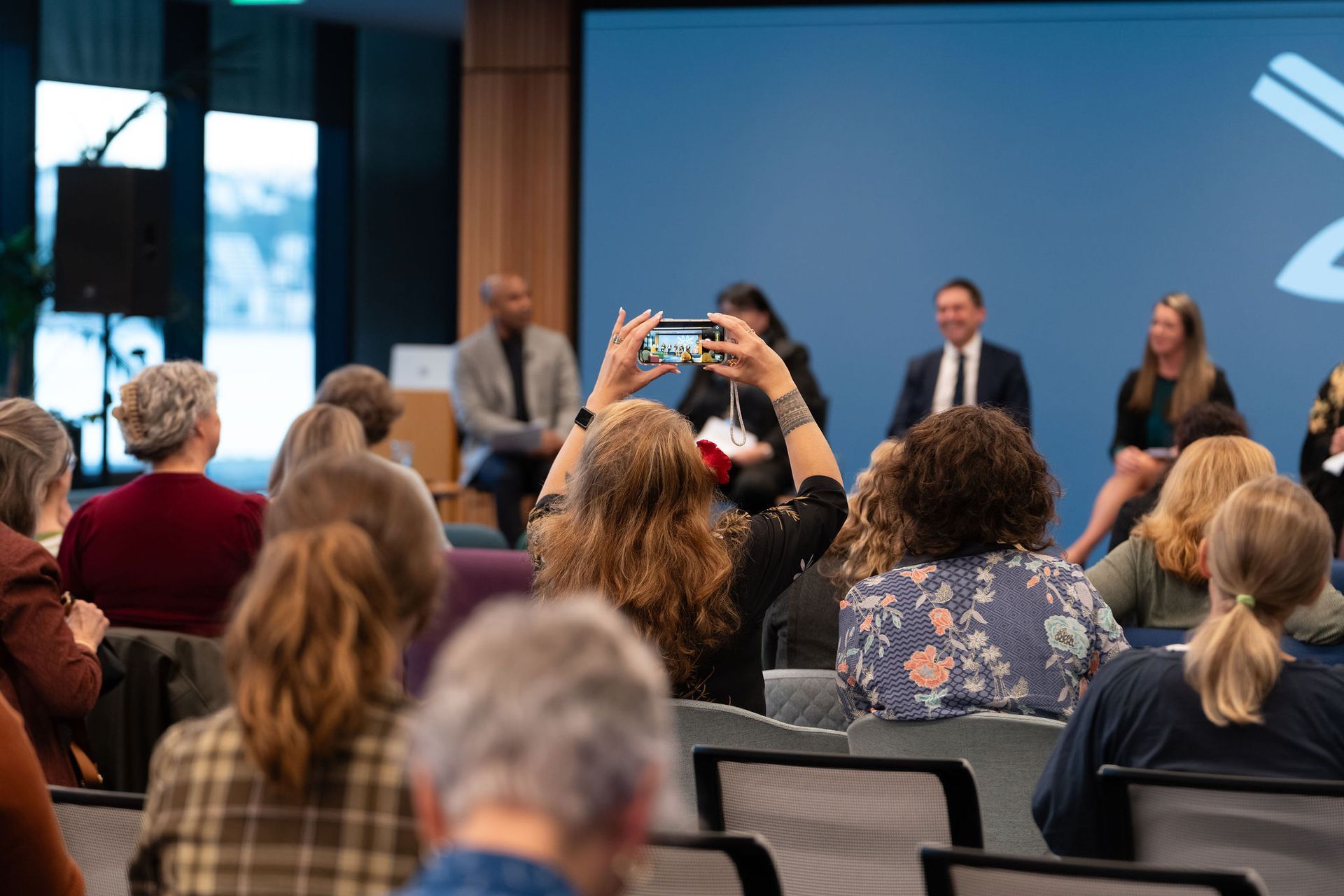
What did New Zealand's political parties have to say about the community sector? Executive Officer Ros Rice reflects on Community Networks Aotearoa's Election Panel and its key takeaways.
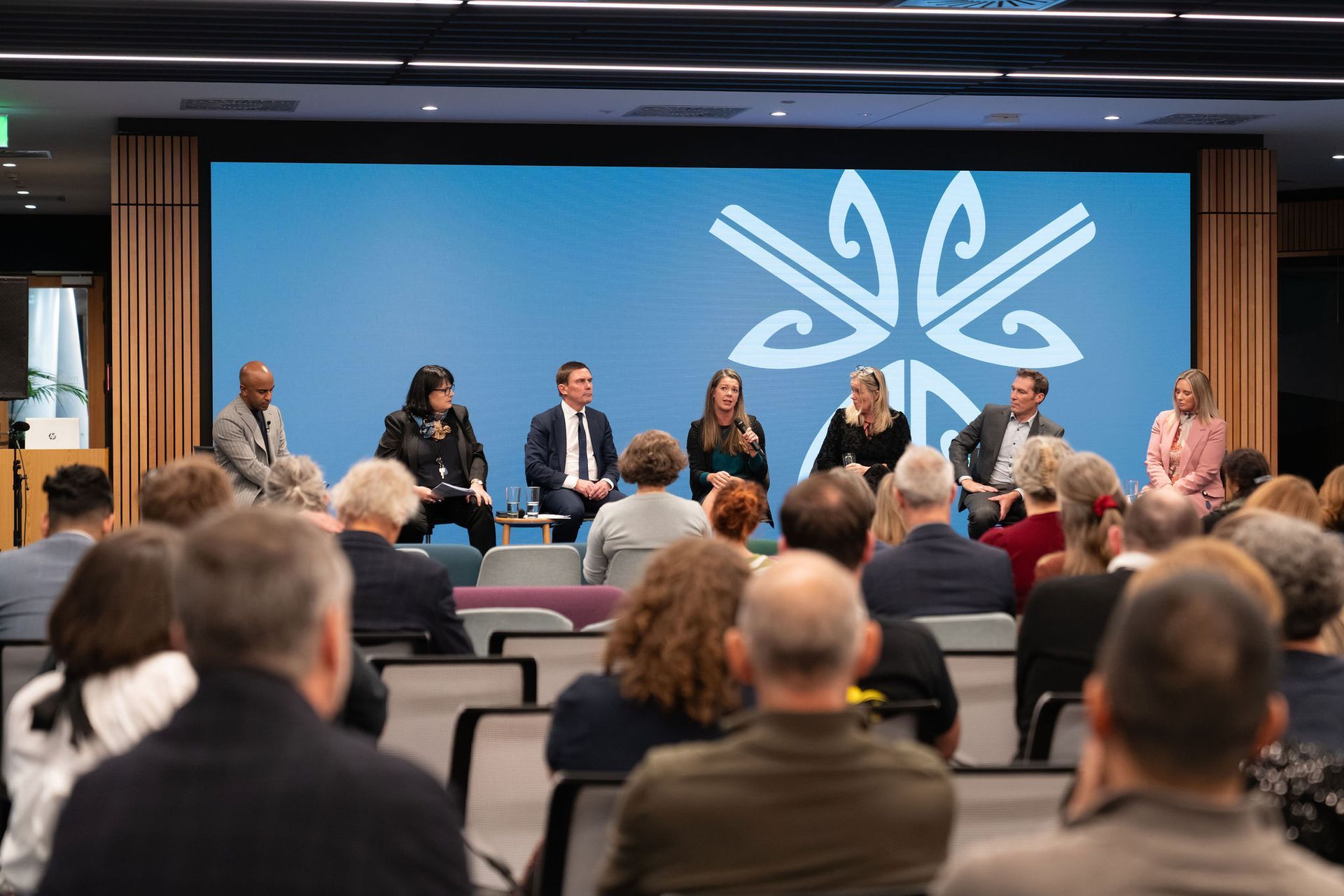
CNA Chair Holly Snape reflects on 1 Sector, 6 Parties, the first 2026 election-focused political panel created specifically for Aotearoa’s community and voluntary sector, highlighting key discussions, sector representation, and why community voices must be part of the election conversation.
Kia ora koutou, Gather your team, pour a drink, and get ready for something a little different. This isn’t your average political panel. It’s a chance for Aotearoa’s community sector to tune in together, listen to the proposed direction, share ideas, and maybe even get a bit fired up about the future. Hosted by Community Networks Aotearoa, ‘1 Sector, 6 Parties Respond’ this live-streamed event brings politicians from across the spectrum into one (virtual) room to talk candidly about the realities facing charities, iwi organisations, and Not-for-Profits. With the next election on the horizon, what they say, and how they say it, matters. And the best part? You don’t have to watch it alone. Turn it into a mini event of your own. Set up a screen in the office, book out the community hall, or invite a few colleagues over. With drinks, nibbles, and ‘hellos’ kicking off from 4:30pm and the panel starting at 5:00pm, it’s perfectly timed to roll straight from work into something social and energising. Guided by political reporter Jehan Casinader, expect a lively, honest kōrero that goes beyond the usual talking points. He’s got the gumption, you bring the cynicism. As a CNA member it’s a great way to bring your organisation together to reconnect, network, and kōhumuhumu. It’s also a great way to remind your people why you’re our member and what they get from your membership with us. We’re always looking for great ways to help you provide excellent and meaningful support. Watching together adds a whole new layer. You’ll catch things you might miss on your own, spark conversations in the moment, and build a shared understanding of what’s ahead. It’s part watch party, part strategy session, with a side of healthy debate. Want to make it count? Try this: Make it a watch party: Bring shared kai (remember those dietary peeps too!), and a relaxed but curious vibe—think less lecture, more shared experience. Get ready to kōrero: Bring a pen and paper and make moments to react, question, or celebrate what you’re hearing. Capture the “aha” moments: Jot down ideas or quotes that hit home for your team; and what you might be able to put in your newsletter. Turn talk into action: After the stream, ask “So what do we do with this?” and pick one or two next steps. This is your chance to connect, reflect, and maybe even challenge what you think you know. So don’t just tune in, show up, together, and be part of the conversation shaping the road ahead. The election is closer than you think! Ngā mihi, Patrick Davies, Engagement Officer